what three acts were designed to restrict the manufacturing of products in the colonies?
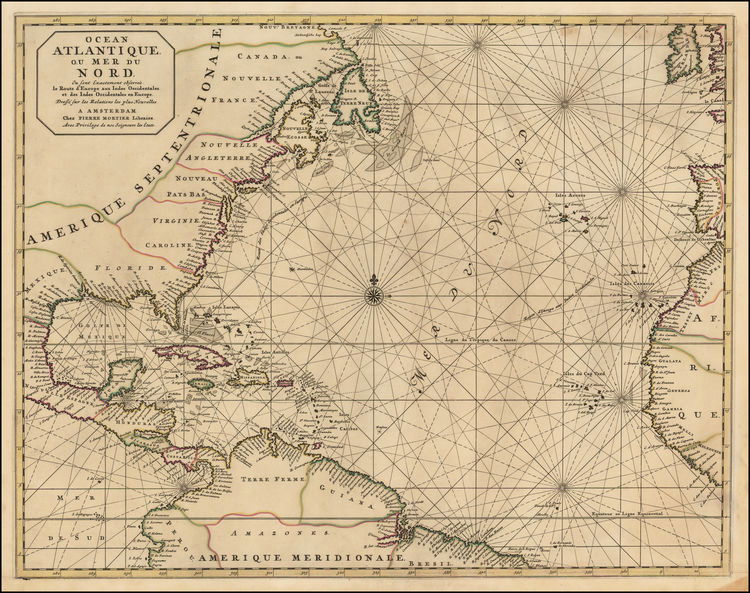
Despite what the behaviour of its current leadership might indicate, America has e'er been a country ruled past its people. This was true of the nation even before it became independent. Conventional wisdom has it that, after the conclusion of the 7 Years State of war in 1763, Britain had to levy harsh taxes on its American colonies to cover the cost of the conflict. The result was 'No tax without representation!' and, ultimately, the American Revolution. The reality, nevertheless, is more complicated. Conflicts between Crown and colony extended back to the mid-17th century, from soon after the first colonies were established. Every bit the colonies grew in stature, England sought to found control of the bounding main connecting it to the New World past crippling the Atlantic trade routes of its European rivals, Espana and French republic. What the English did not foresee, however, was that the American colonists would be the ones rebelling against their own nation.
England passed what became known as the Navigation Acts in 1651, forbidding the American colonies from trading with anyone only England. Authorities rationalised these laws as a mode of bolstering English trade and keeping the colonies at close quarters with their mother state. The result was unprecedented: colonial commerce became strangled and the American colonists were driven to illegal avenues to obtain appurtenances. Rather than condign known every bit the sovereign power of the Atlantic, England institute itself severely undermined by its own citizens. Under the guise of distance, local American governors began to work with pirates to undermine the Navigation Laws.
England sought to assert itself equally the maritime main and attempted to combat the colonists' illegal trading activities. It passed more than laws throughout the 17th century that forbade illegal trading. When this did not piece of work, the English began to attack those who actively engaged in trade. Smugglers were rebranded as 'pirates' and under English police all captured pirates were to be transported to London for their trial (a mere formality) and eventual public execution. Those on country who worked with smugglers were considered to exist pirates, also, and were punished as such.
These harsh measures just encouraged colonists to engage in illegal behaviour and nurtured ideas of autonomy. Colonial governors in the Due west Indies and North America actively encouraged illegal trade and fifty-fifty offered aid to pirates in exchange for goods. Conflicts continued and merchants petitioned against the Navigation Acts until the 1730s. In one petition, dated from 1735, Jamaican merchants claimed that trade restrictions would pb to more than colonial dissatisfaction and that 'colonists would break this rule by trading with not-British countries'.
In an endeavour to farther restrict the colonists' trade rebellions, the British passed more laws in 1715 forbidding the foreign importation of sugar, rum and molasses into any British or American port. All the same the colonists found a loophole. They could but merits that any supply of molasses was from either Jamaica or Barbados. The colonists realised they did not need to restrict their allegiances to their female parent country, so they continued to openly trade with French and Dutch planters from the Leeward Islands and Suriname.
The Molasses Act was passed in 1733 as i last try to control the American colonists. While previous trading acts mostly referred to the West Indies, the Molasses Act included restrictions to Due north America through increased taxes on all sugar products. In retaliation, North Americans began to trade illegally with French republic. Equally a result, the Molasses Human action was considered a failure and rescinded. After 80 years of struggle between Britain and its stubborn colonists, it seemed that Great britain had finally lost.
At the time of writing, President Trump has unsuccessfully attempted to entreatment the federal decision to cake his recent travel ban on travellers from some Muslim-majority countries. In response, the president tweeted: 'See you in courtroom, the security of our nation is at stake!' Were President Trump to examine the period of history discussed above, he would find that legal restrictions without the consent of his people volition non concur. The British tried again to do strict command over their colonists afterwards the end of the Seven Years War, with a serial of acts eventually accounted the Intolerable Acts, outrage at which led to American independence.
One could contend that these measures, both past and present, represent populist feeling. A large proportion of the American population are in favour of restrictive laws. However, despite the corporeality of Loyalists in the colonies both before and during the American Revolution, the Patriots' narrow majority won out and their actions contributed to the repeal of trade restrictions and ultimately British rule. Although the President Trump won the 2016 election, a majority of nearly three meg Americans did and do not support his policies. United states of america citizens will non passively accept laws they deem to be unjust – American history has always been decided by its people.
Rebecca Simon recently completed her PhD in Atlantic history at King'due south College London.
andersonkillaimpon.blogspot.com
Source: https://www.historytoday.com/trading-places-smuggling-and-american-revolution
0 Response to "what three acts were designed to restrict the manufacturing of products in the colonies?"
Publicar un comentario